





Pipe Smoking for Beginners
2nd Jul 2021
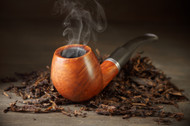
A tobacco pipe has a bowl for tobacco and a stem that carries smoke to the mouth. If you’re researching pipes, materials or accessories, understanding the differences can help you make informed choices, but pipe smoking carries serious health risks and is not a safe alternative to cigarettes.
Choosing Your First Tobacco Pipe
When comparing tobacco pipes, consider the material, shape, weight and maintenance requirements to find an option that suits your preferences and budget.
GQ Tobaccos offers a range of pipes and pipe tobacco to smoke for beginners, alongside accessories to help you understand their care requirements.
Briar, corn cob and other pipe materials
Briar, corn cob, meerschaum and ceramic pipes each have different characteristics and care requirements. Check the construction and manufacturer’s guidance before choosing and avoid pipes that are cracked or damaged.
Should I choose a straight or bent tobacco pipe?
Tobacco pipes are classified into straight styles, which offer simpler cleaning and less moisture buildup, and bent styles, which shift the centre of gravity for easier hands-free holding. Smokers choose between these distinct balances and heat profiles based on preference and occasion.
What size pipe is easiest for a beginner?
For beginners, a medium-sized pipe (Group 3 or 4) is the ultimate sweet spot because it avoids the tongue-scorching heat of smaller pipes and the exhausting time commitment of oversized ones. These balanced dimensions give a beginner the leeway needed to easily master packing, lighting, and pacing.
How much should you spend on a first pipe?
Pipe prices vary according to materials, workmanship and design. Set a budget and prioritise sound construction, a comfortable fit and clear care instructions; a higher price does not make smoking safer.
Should you choose a filtered or unfiltered pipe?
Some pipes use filters, while others are designed without them. Check which filter type is compatible and whether replacements are available, remembering that filters do not make tobacco smoke safe.
What You Need to Smoke a Pipe
Pipe accessories vary by design, but common examples include pipe cleaners, tampers and suitable ignition products. Choosing compatible tools and following the manufacturer’s instructions can help you maintain your equipment.
Why do I need pipe tobacco, pipe cleaners and a tamper?
Pipe tobacco is prepared for use in a pipe, while pipe cleaners help remove residue and tampers are designed to prepare your tobacco in the bowl. Check product guidance and choose tools that fit your pipe without scratching or damaging it.
Matches or a pipe lighter
Matches and pipe lighters provide different ignition options. Choose a suitable product, keep flames away from flammable materials and store ignition products securely away from children and pets.
Is a beginner pipe kit worth buying?
A pipe kit may be convenient if it includes compatible tools and clear care instructions. Compare the contents with your actual requirements before buying, as not every accessory will be essential.
Which Are the Best Smoking Pipes in the UK for Beginners?
Pipe tobacco varies in blend, cut and storage requirements, so product descriptions can help you understand the differences.
Which tobacco cut is easiest to use?
Ribbon, flake and plug are common pipe tobacco formats, each with different preparation requirements. Read the packaging and compare formats to understand which handling method each product requires.
How to check whether pipe tobacco is too moist
Tobacco that is very damp may be harder to keep alight, while overly dry tobacco may burn quickly. Follow the storage guidance on the packaging and avoid tobacco that smells unusual or shows signs of mould.
How to store pipe tobacco
Keep tobacco in its original packaging or a suitable airtight container, following the product’s storage instructions. Store it securely in a cool, dry place away from direct sunlight, children and pets. For easy storage and travel, we recommend keeping your tobacco in a pouch.
How to Prepare and Pack a Tobacco Pipe
Before handling a pipe, check that it is clean, dry and undamaged, and read the manufacturer’s instructions. Understanding the design and care requirements can help you avoid damaging the bowl or stem.
Check and prepare the pipe and tobacco
Inspect the pipe for damage and check its care instructions, especially if it is new or uses a filter. Follow the tobacco packaging guidance and the manufacturer’s recommendations for your particular pipe.
Pack the bowl in three layers
Add the tobacco in stages and press each layer lightly. If you follow this method, avoid packing too tightly or using tools in a way that could damage the bowl.
Test the draw before lighting
A restricted airway may indicate that tobacco or residue is obstructing the passage. Do not force air through a blockage; check the pipe and follow the manufacturer’s guidance.
Does a new pipe need breaking in?
Care recommendations for new pipes vary by manufacturer and material. Check the instructions supplied with your pipe instead of assuming every design requires the same treatment.
How to Smoke a Tobacco Pipe for Beginners
If you handle a pipe, follow its safety instructions and take care around flames and hot surfaces.
Use a charring light and a second light
Light the tobacco surface, let it settle and then light it again. Follow the manufacturer's safety guidance and remember that this technique does not make smoking less harmful.
Smoke slowly and tamp gently
Excessive heat can make a pipe uncomfortable to handle and may damage it. Stop if the pipe becomes unusually hot or you feel unwell.
What to do when the pipe goes out
Allow the pipe to cool sufficiently before handling it and follow the manufacturer's guidance. Ensure all tobacco is fully extinguished when finished.
How long does a pipe-smoking session take?
There is no fixed session length, as timing varies with the pipe and its use. Do not treat a longer session as a goal and stop if you experience discomfort.
How to Start Cleaning and Caring for Your Tobacco Pipe
Regular cleaning helps remove residue and makes it easier to spot damage or blockages. GQ Tobaccos stocks pipe-cleaning accessories to help you find suitable tools for your pipe’s maintenance needs.
Let the pipe cool before cleaning
Allow the pipe to cool fully before dismantling or cleaning it. Handling a hot pipe can cause burns, and removing the stem while it is hot may damage the joint.
Clean the stem and shank with a pipe cleaner
Use a suitable pipe cleaner to remove residue from the airway, following the maker’s instructions. Avoid forcing tools through blockages or using cleaning products that are not approved for your pipe.
How often should you clean a pipe?
Cleaning frequency depends on how often the pipe is used and its design. Follow the manufacturer’s recommendations and check regularly for residue, damage or restricted airflow.
How long should a pipe rest between smokes?
Pipes need time to cool and dry between uses, with the appropriate interval varying by design and use. Follow the manufacturer’s advice; allowing a pipe to rest does not make smoking safer.
When does a pipe need cleaning?
Visible residue, moisture or restricted airflow can indicate that cleaning is needed. If your pipe is cracked, damaged or unusually hot, stop using it and seek advice from the manufacturer or contact our team.
Common Pipe Smoking Problems
Changes in airflow, moisture or the condition of your pipe may indicate a maintenance issue. Understanding the possible causes can help you decide when to clean your equipment or contact our team.
How to prevent tongue bite
“Tongue bite” describes irritation or a burning sensation in the mouth or on the tongue reported by some pipe smokers. Smoking more slowly does not remove the risks; stop if you experience pain and seek medical advice if symptoms persist.
Why does a pipe keep going out?
Tobacco moisture, packing and airflow can affect how a pipe behaves. Check the tobacco and pipe condition, follow the manufacturer’s guidance and avoid puffing harder if the pipe becomes too hot.
How to fix a clogged draw
Let the pipe cool before checking for residue or an obstruction. Use a suitable pipe cleaner gently and avoid sharp objects that could damage the airway.
What causes moisture, gurgling or a wet smoke?
Moisture can collect in the stem or airway during use. Let the pipe cool before cleaning, or contact our team.to assess it if the problem continues.
How to avoid cracking or burning out a pipe
Follow the maker’s guidance on handling, cleaning and storage, and avoid excessive heat. Do not use a pipe that is cracked or damaged and keep hot pipes away from children and pets.
Pipe Smoking Guide FAQs
What are the risks of pipe smoking?
For due diligence, it’s important to understand the risks of pipe smoking. Pipe smoking is harmful to your lungs, which can lead to breathing problems and cancer. The safest choice for your health is not to smoke.
Do you inhale pipe smoke?
Some pipe smokers inhale, while others do not. Either way, pipe smoking exposes the mouth to tobacco smoke, and not inhaling does not make it safe.
Can you use cigarette tobacco in a pipe?
Cigarette tobacco is prepared for cigarettes and may not be intended for pipe use. Check the manufacturer’s instructions and use products only as directed; pipe smoking does not reduce the health risks of tobacco smoke.
How many pipes does a beginner need?
One pipe is enough to become familiar with its construction and maintenance requirements. Focus on understanding its care instructions rather than assuming additional equipment will reduce the risks of smoking.
Is pipe smoking for beginners legal for anyone over 18?
From 1 January 2027, retailers must not sell tobacco products, including pipe tobacco, to anyone born on or after 1 January 2009.